👋 Welcome to My Space
The ideal shore
Hi, I'm Kevin An engineering-focused full-stack developer. I break complex systems into composable tools with Go + TypeScript/React, and I'm currently building bingo-code, an AI Coding Agent. More than calling model APIs, I care about making LLMs reliable engineering tools.
Full-stack developerAI Agent toolingOpen Source
“Build tools I actually want to use.”

Building bingo-codeAI Coding AgentsAgent RuntimeContext Engineering
FEATURED & RECENT POSTS
Articles & Technical Insights
09/17/2026AI
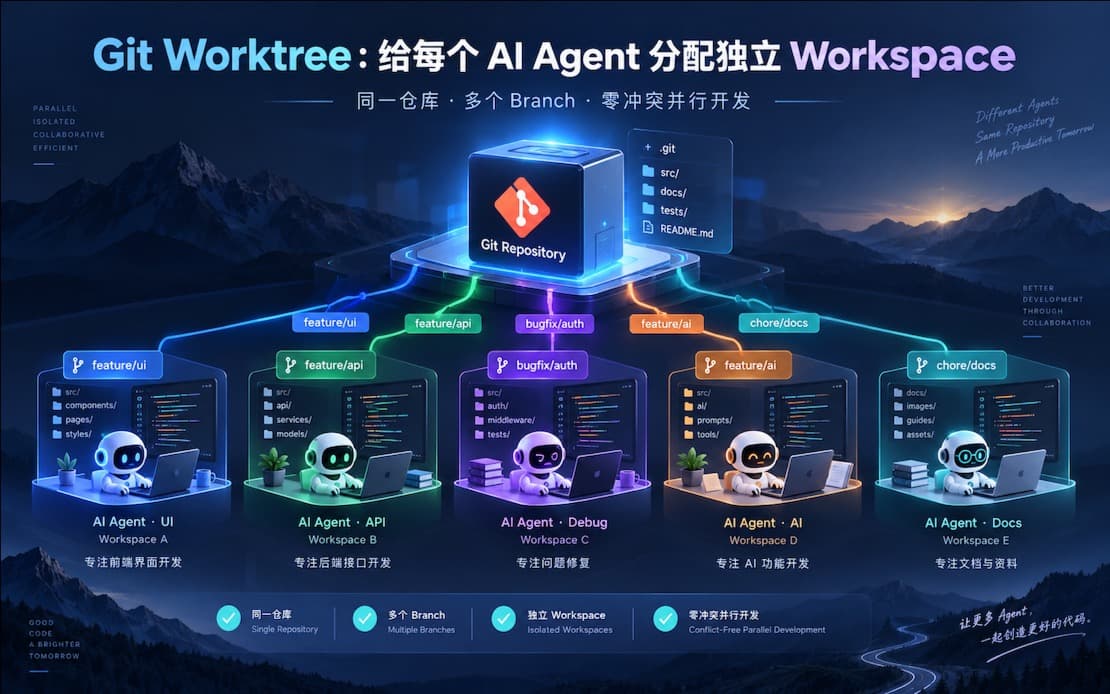
Git Worktree: The Lowest-Cost Solution for Multiple AI Agents to Develop the Same Project in Parallel
Use Git Worktree to assign an independent workspace to each AI Agent, enabling parallel development on the same repository with multiple branches and zero conflicts. This article introduces the complete multi-AI parallel workflow: worktree initialization, task decomposition principles, pitfalls and lessons learned, and scenarios where this approach is not suitable.
Read
04/09/2026AI
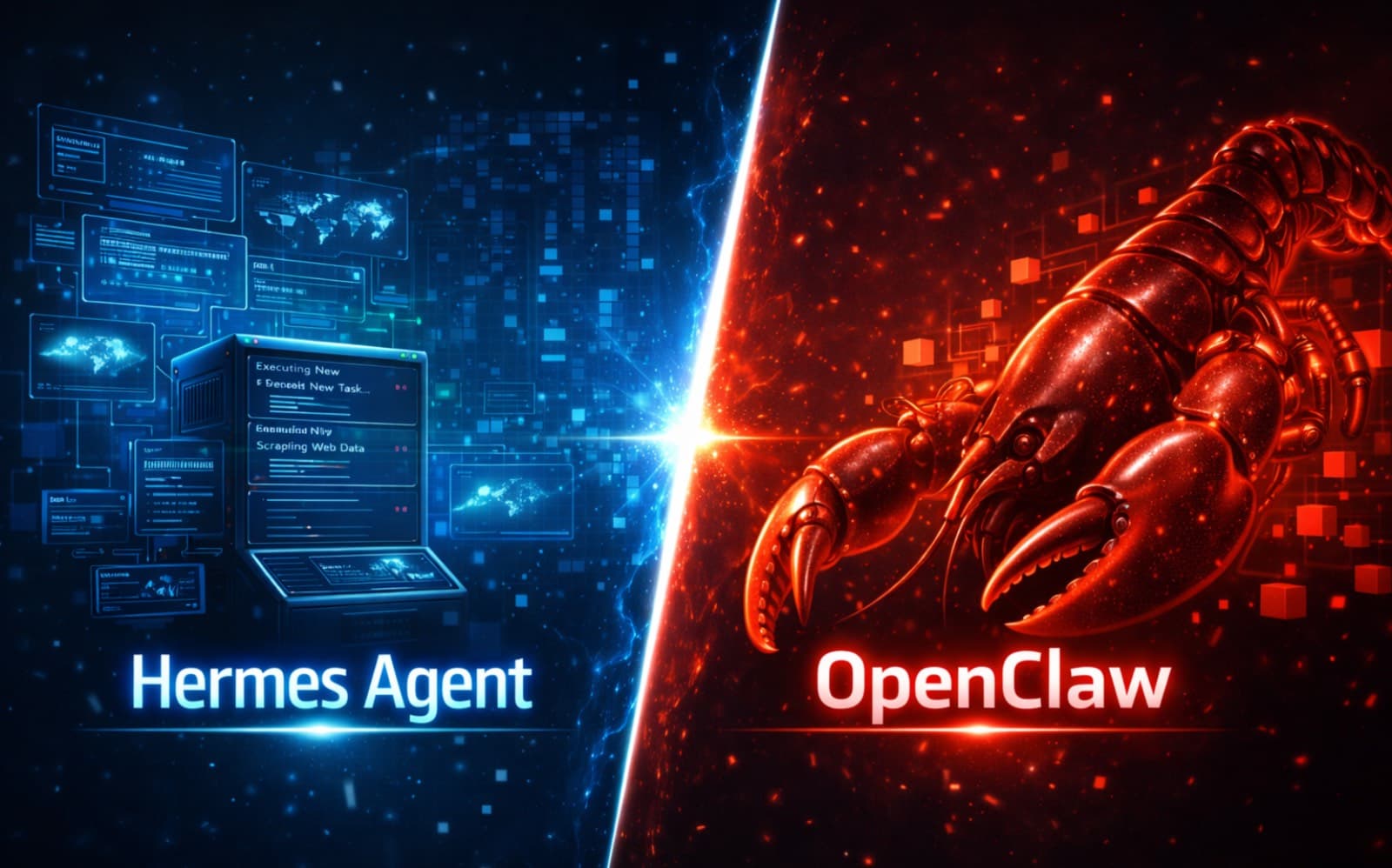
Hermes Agent Complete Guide: Installation, Skills Mechanism, and Comparison with OpenClaw
The fundamental gap between Hermes Agent and OpenClaw lies not in the number of features, but in their architectural philosophy: one is designed to "connect to everything," while the other is built to "remember everything." This article provides an in-depth analysis of their skill mechanisms, memory architectures, and cost comparisons to help you decide whether it is worth switching and how to deploy them in parallel.
Read
More Articles
3 pages total, 23 articles
03/12/2026AI
OpenClaw In-Depth Analysis: From Architectural Principles to Security Vulnerabilities and Alternative Solution Selection
OpenClaw transformed AI from a chat window into a 24/7 agent capable of operating local systems, but 8 CVEs and 42,000 bare-metal instances indicate its security cost is not low. This article dissects core mechanisms like Gateway, Heartbeat, and Lane Strategy, and provides alternative selection suggestions for ZeroClaw, NanoClaw, and PicoClaw.
01/06/2026AI
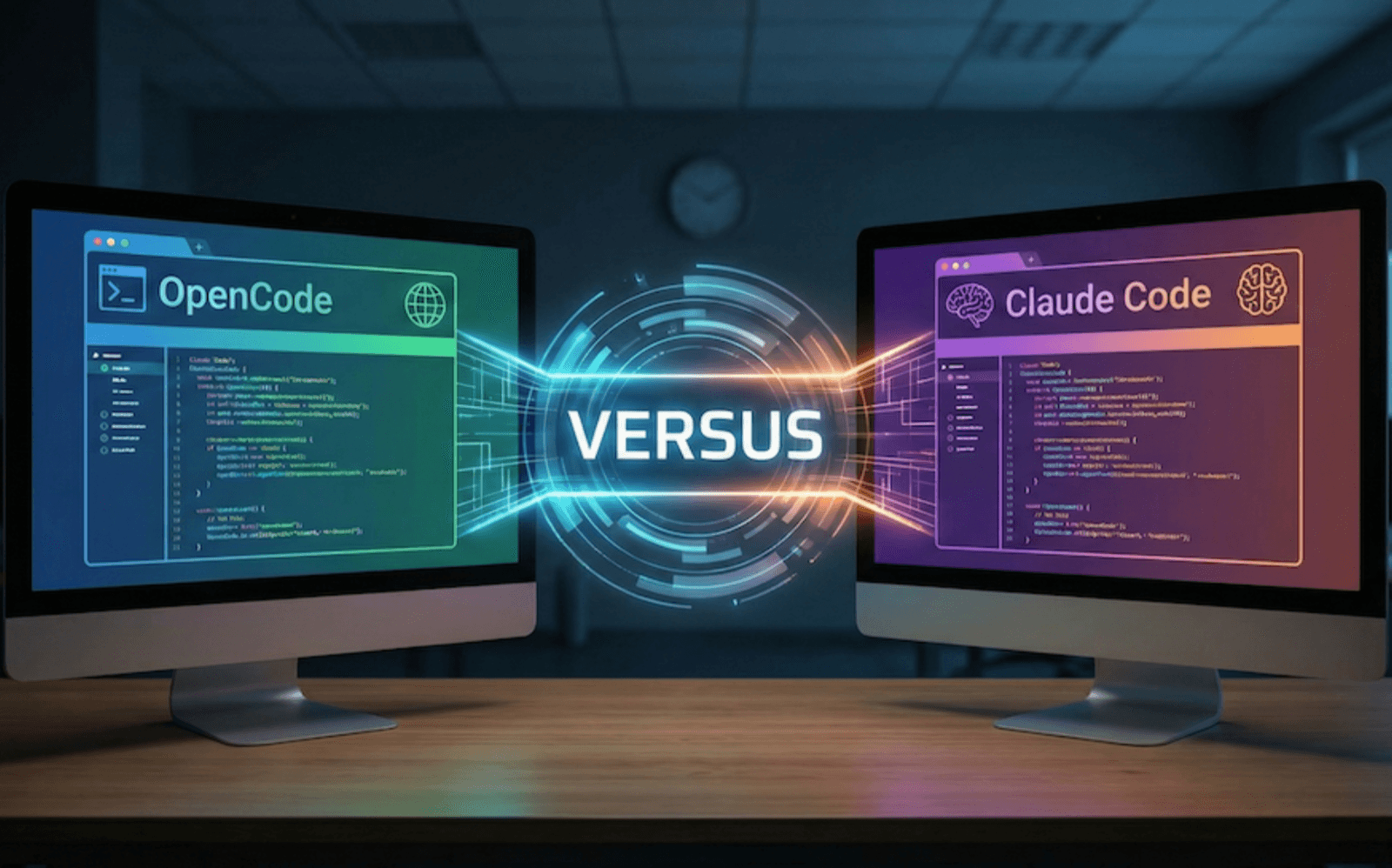
OpenCode: In-depth Technical Analysis of Open-Source AI Programming Agents
A comprehensive analysis of OpenCode's architectural design, core functionalities, and implementation details, including an in-depth comparison with Claude Code, exploring the advantages of open-source AI programming tools in terms of cost, privacy, and scalability.
12/24/2025AI
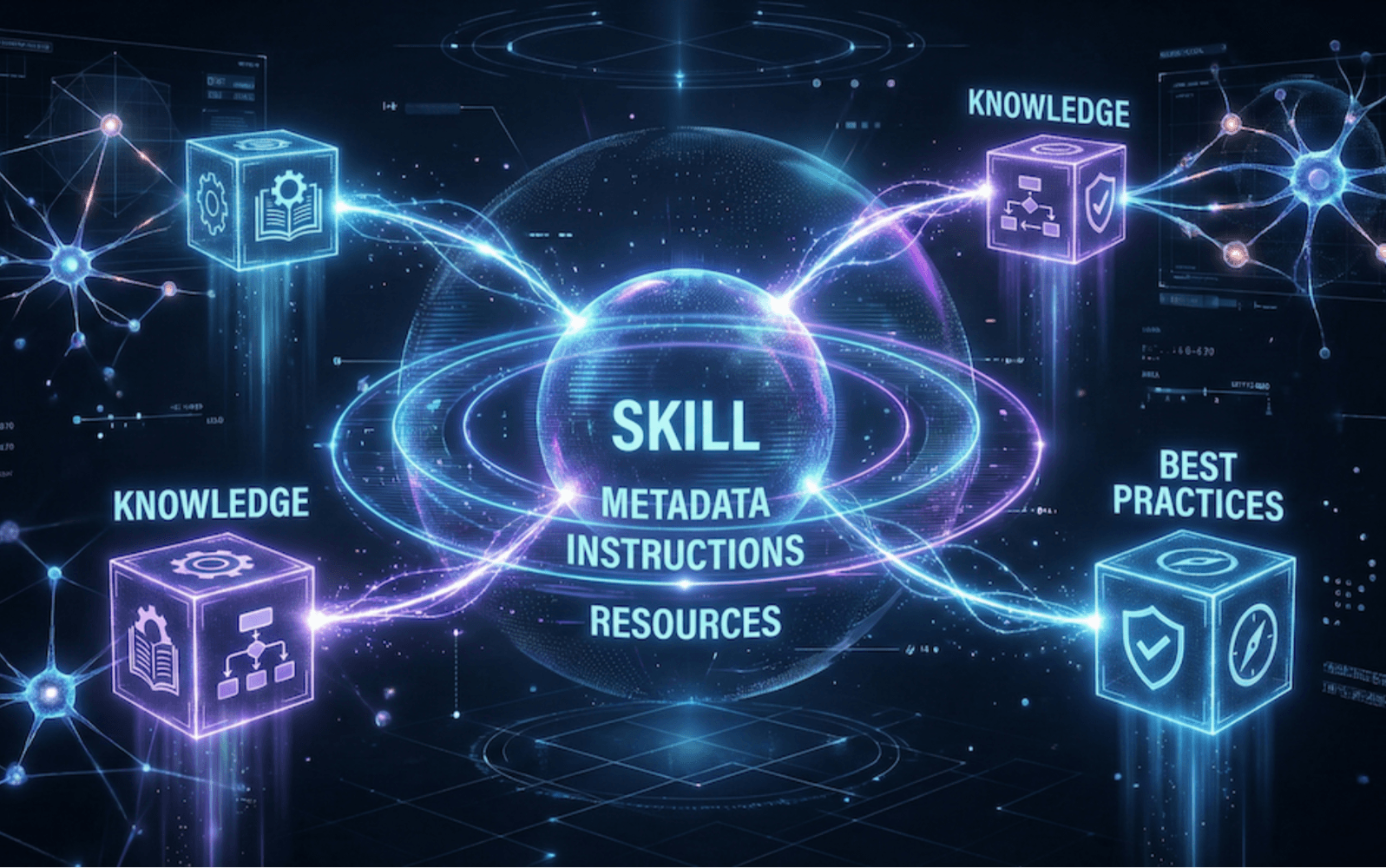
Agent Skills Concept Analysis and Usage
Skills can reduce token consumption by 75%. Its core value lies in "progressive disclosure" and "deterministic execution"—trading IO for tokens. This article deconstructs Skills' three-level loading mechanism to provide you with a technical decision tree for refusing blindly introduced complexity.
11/05/2025AI
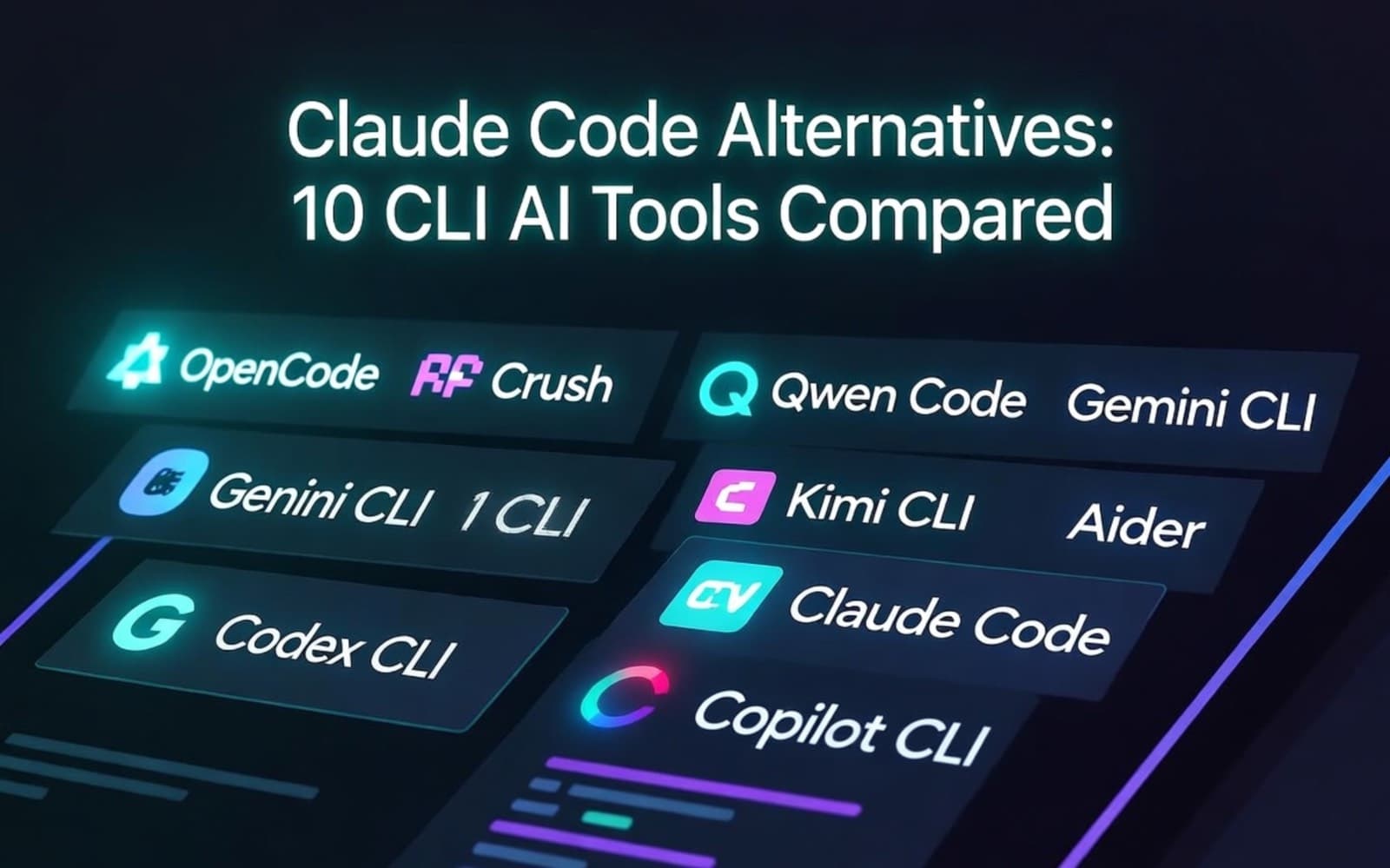
The Ultimate Comparison of Claude Code Alternatives: A Complete Analysis of the 10 Strongest CLI AI Programming Tools
A compilation of installation, model support, advantages, and disadvantages for OpenCode, Crush, Qwen Code, Gemini CLI, Kimi CLI, Aider, Codex CLI, Grok CLI, Claude Code, and Copilot CLI, enabling you to easily select the most suitable AI coding partner.
10/10/2025AI
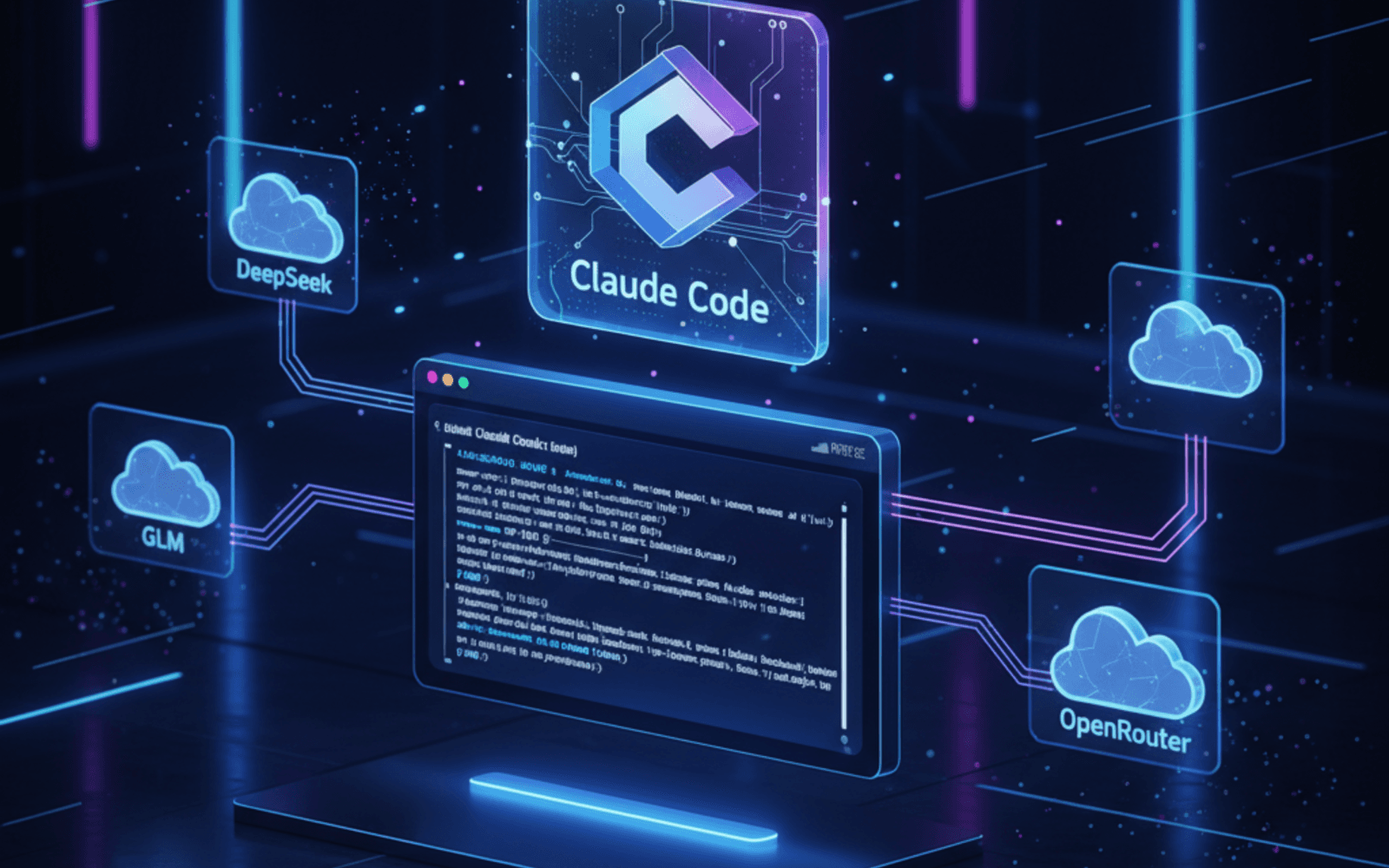
Claude Code Usage Guide: From Official Configuration to Integrating Third-Party Models
Quickly install Claude Code via NPM or scripts, configure third-party models like DeepSeek and Zhipu GLM to reduce usage costs, and use the Claude Code Router (CCR) to build an intelligent routing system. The article details key technical points such as multi-provider management, dynamic routing strategies, request transformation, and cost optimization, and provides complete configuration examples and architectural designs.
08/10/2025Linux
Debian 13 Trixie Upgrade and New Features Introduction
Record of the upgrade process from Debian 12 to Debian 13 Trixie, with a detailed introduction to the main changes and highlight features brought by this version update.