LLM
04/09/2026AI
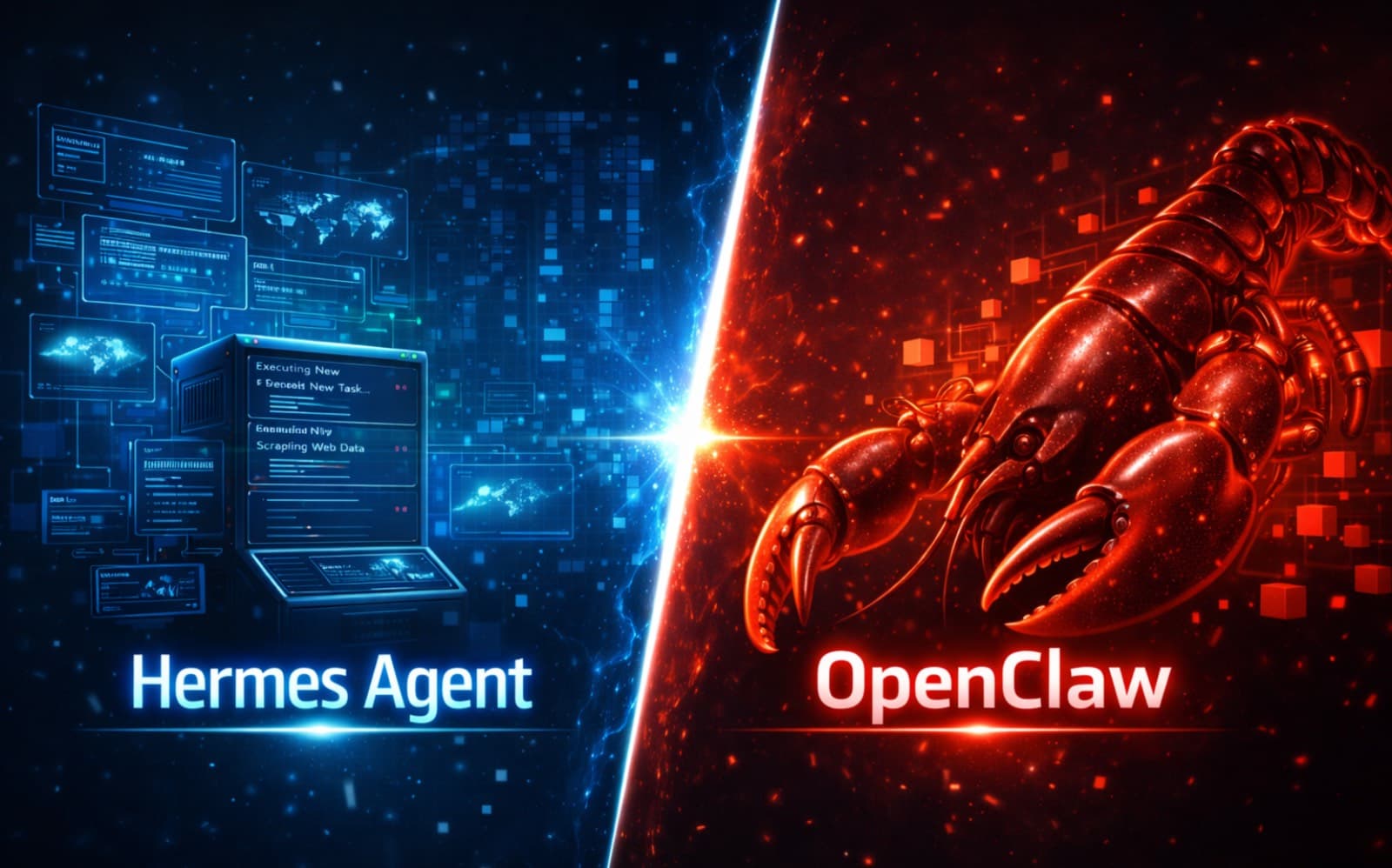
Hermes Agent Complete Guide: Installation, Skills Mechanism, and Comparison with OpenClaw
The fundamental gap between Hermes Agent and OpenClaw lies not in the number of features, but in their architectural philosophy: one is designed to "connect to everything," while the other is built to "remember everything." This article provides an in-depth analysis of their skill mechanisms, memory architectures, and cost comparisons to help you decide whether it is worth switching and how to deploy them in parallel.
03/12/2026AI
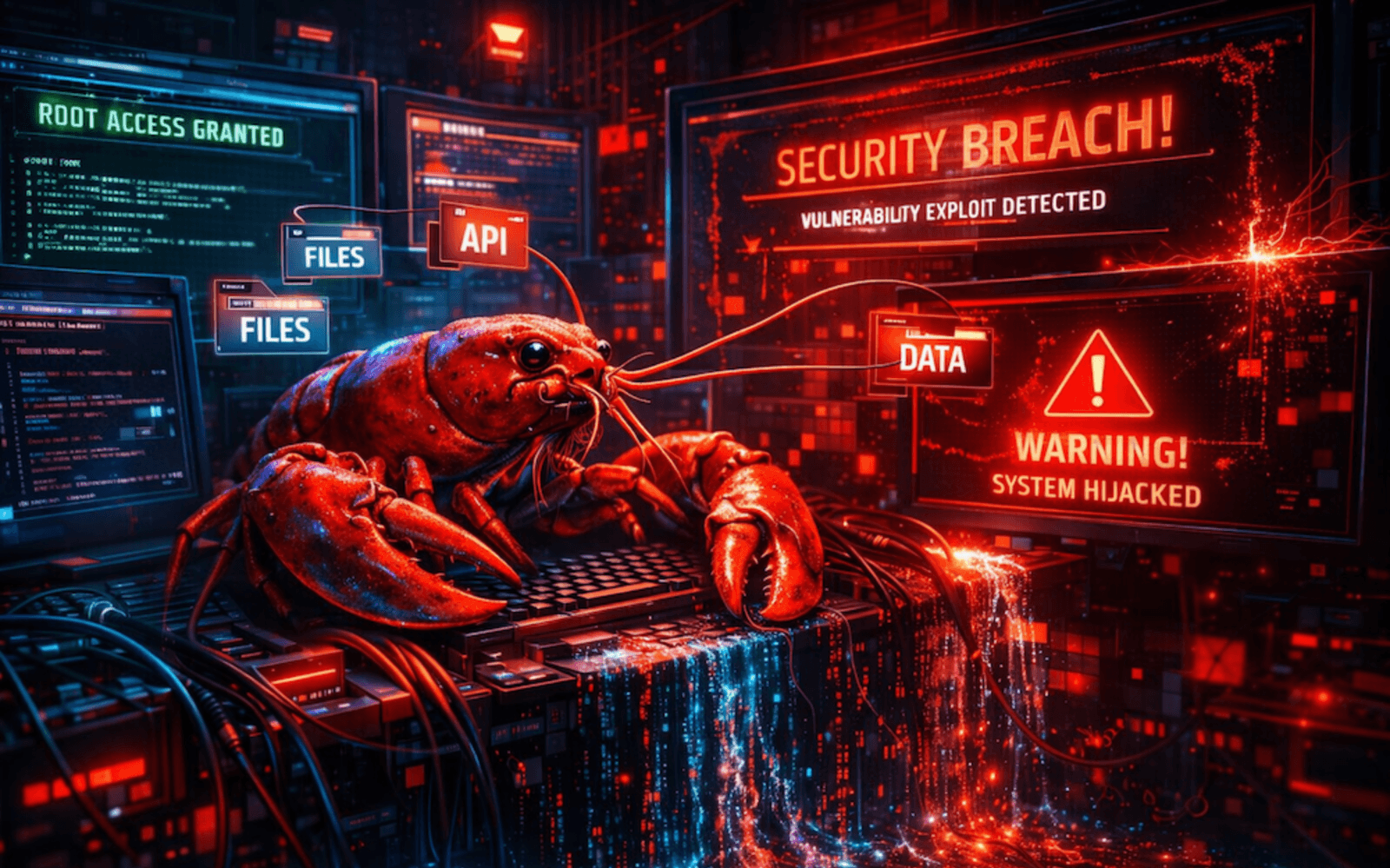
OpenClaw In-Depth Analysis: From Architectural Principles to Security Vulnerabilities and Alternative Solution Selection
OpenClaw transformed AI from a chat window into a 24/7 agent capable of operating local systems, but 8 CVEs and 42,000 bare-metal instances indicate its security cost is not low. This article dissects core mechanisms like Gateway, Heartbeat, and Lane Strategy, and provides alternative selection suggestions for ZeroClaw, NanoClaw, and PicoClaw.
12/24/2025AI
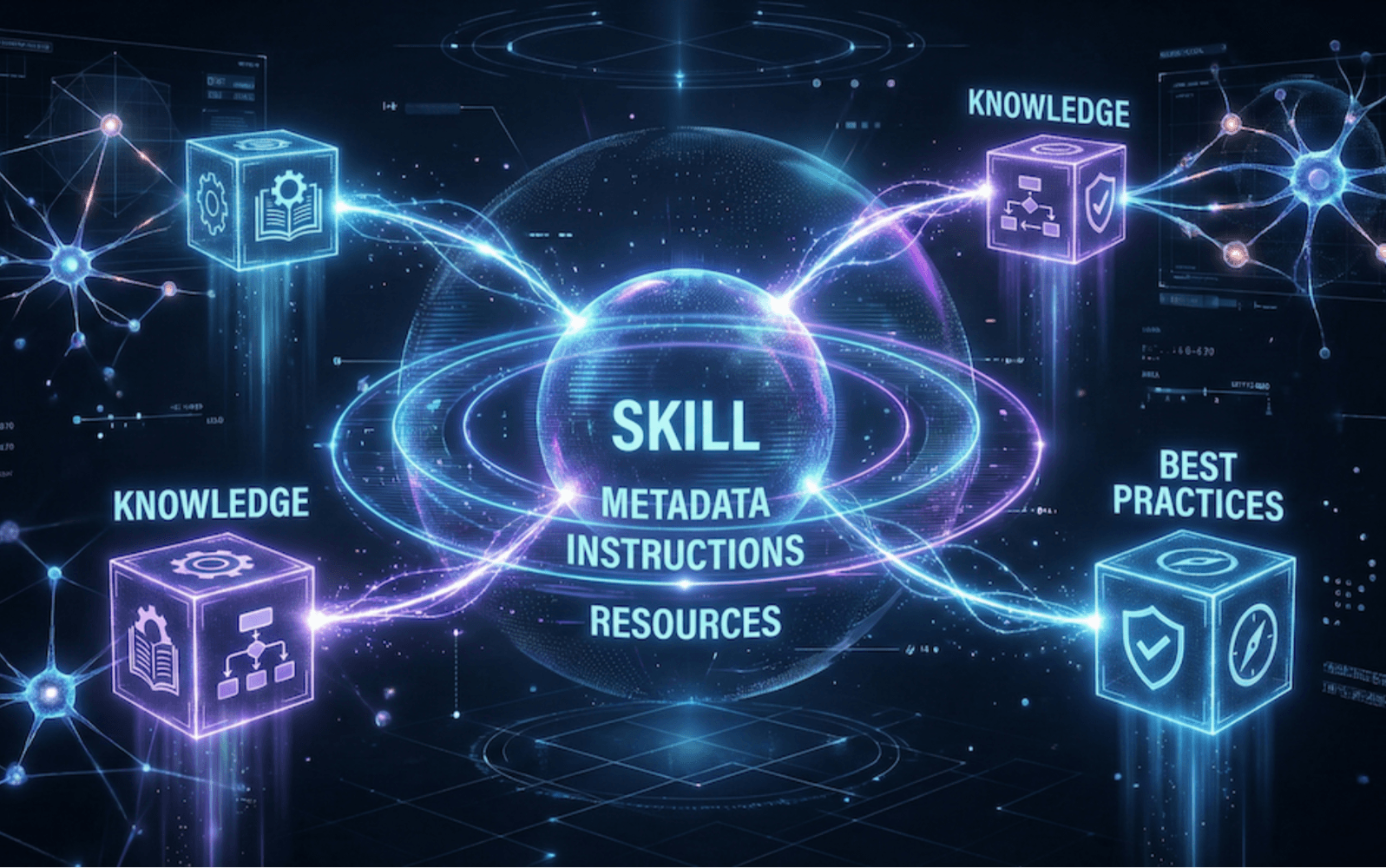
Agent Skills Concept Analysis and Usage
Skills can reduce token consumption by 75%. Its core value lies in "progressive disclosure" and "deterministic execution"—trading IO for tokens. This article deconstructs Skills' three-level loading mechanism to provide you with a technical decision tree for refusing blindly introduced complexity.
04/07/2025AI
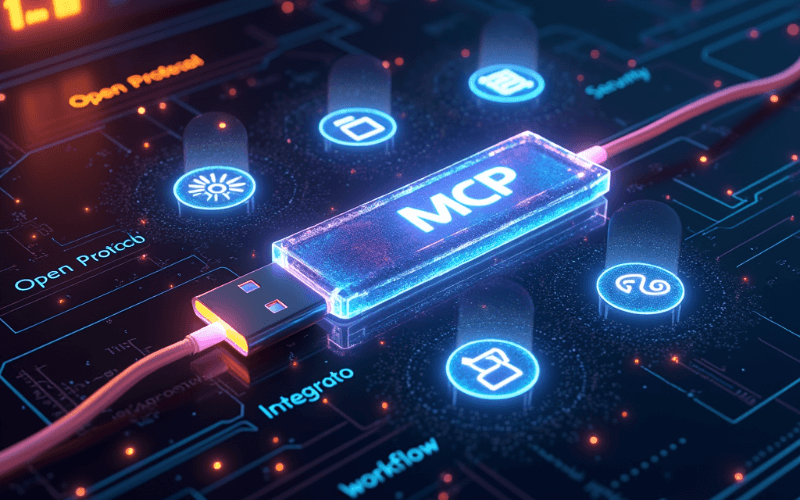
Hands-on MCP from Scratch: Chrome DevTools, Gemini, and VSCode Integration Guide
Quick start guide for common MCP Server installation examples (including Chrome DevTools), configuration instructions for various IDEs/CLIs, and a summary of common MCP extensions in the Gemini Extension Marketplace
12/01/2024AI
Ollama Guide: Local Running, Model Selection, UI Enhancements, and Copilot Alternatives
Comprehensive understanding of Ollama, from common commands to supported models, to third-party user interfaces (UIs) enhancing the experience, and transforming it into a local alternative to GitHub Copilot.